How to Choose Professional LED Fixtures for Your Projects
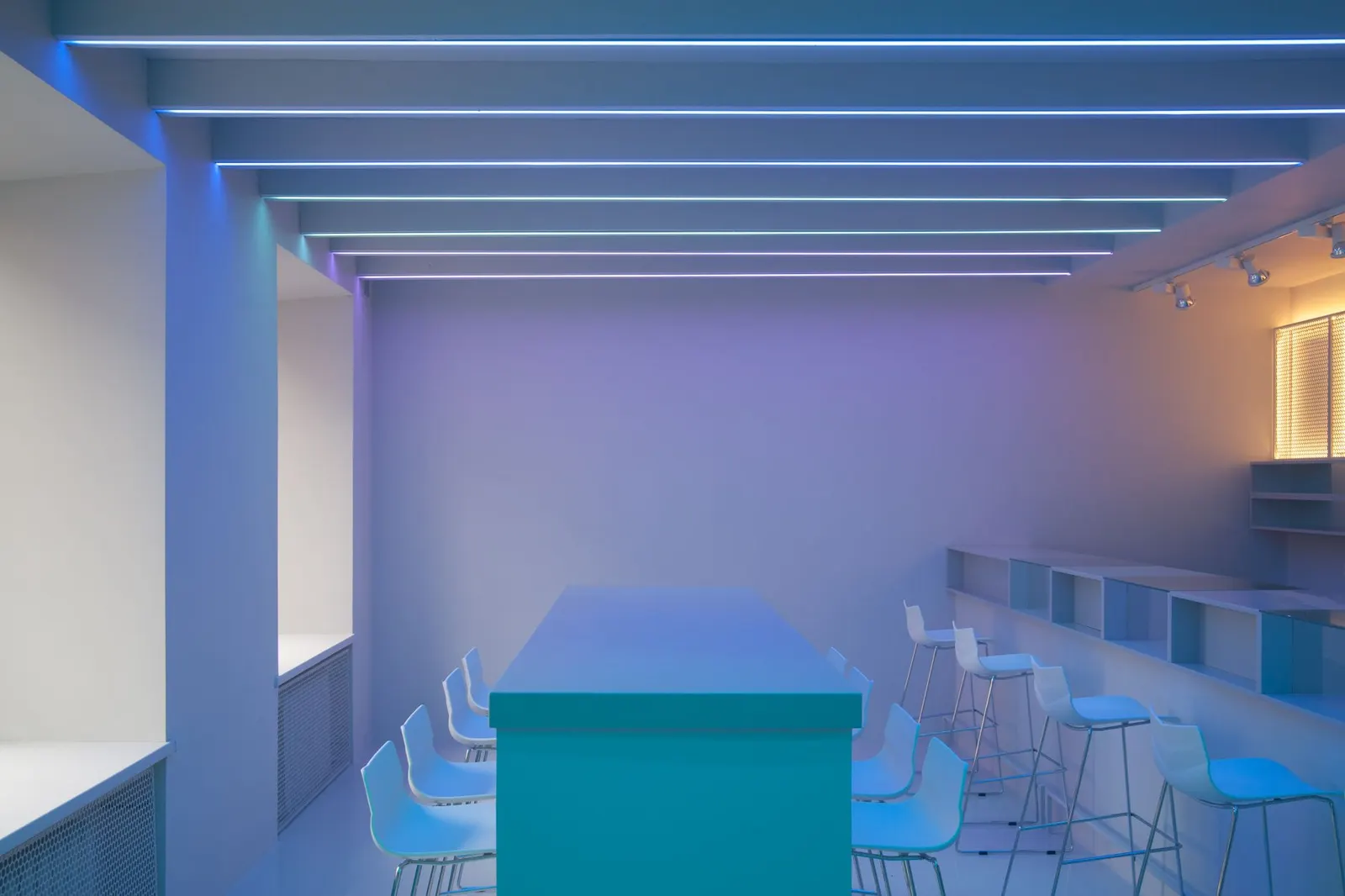
Identifying the most suitable LED fixture brands depends on your project's technical requirements, the engineering quality of the product, and the testing standards maintained by the manufacturer. Instead of focusing on a single brand, evaluating concrete criteria allows you to select the right fixture for your specific needs. Key factors to consider include:
- Lumen Efficiency: The ratio of total light output (lumens) to power consumption, which indicates how effectively the fixture converts energy into visible light.
- Color Rendering Index (CRI): A measure of how accurately a light source reveals the true colors of objects compared to natural light.
- Optical Control: The ability to direct light precisely to the intended area, minimizing light spill and glare.
- Warranty Conditions: The long-term reliability and technical support commitment provided by the manufacturer.
Selection Criteria for LED Luminaires in Professional Projects
The answer to the question "Which are the best LED luminaire brands?" lies in the technical performance data of the offered products and how well they meet the specific needs of a project, rather than simple brand recognition. Comparing brands based on concrete criteria during the design phase of a professional lighting project directly affects both the return on investment and visual comfort.
Key Technical Evaluation Criteria
Lumen/Watt Efficacy: The amount of luminous flux (lumens - the total light emitted by a light source per unit of time) generated per unit of power consumed (Watts) is the primary indicator of energy efficiency. High efficacy allows you to achieve the target illuminance level (lux - luminous flux falling on a unit surface) while consuming less energy.
CRI (Color Rendering Index): Indicates how naturally and accurately a light source renders the colors of objects compared to daylight. A CRI>80 is generally sufficient for office and general circulation areas. However, projects where color accuracy is critical—such as textile retail, food display, or art galleries—require luminaires with CRI>90.
Driver Quality: The electronic component regulating the current supplied to the LED chips is critical to the luminaire's overall lifespan. A power factor (PF) above 0.95 indicates efficient power usage from the grid and minimal electronic interference. A high-quality driver also eliminates light flicker, reducing eye fatigue.
Glare Control (UGR): Unified Glare Rating measures the degree of visual discomfort caused by lighting in a space. Particularly in workspaces and retail environments, solutions offering low UGR values through specialized lens and reflector designs, such as the COB Led Rayspot Serisi, should be specified.
Which Technical Specifications Should You Consider When Choosing a Lighting Manufacturer?
When selecting a lighting manufacturer, the fundamental technical specifications to consider are photometric measurement capabilities, international certifications, optical flexibility, and the adequacy of after-sales services. The answer to which brands offer the most reliable LED luminaires lies with manufacturers who verify product data through engineering tests and can provide project-specific technical adaptations.
The primary technical infrastructure a professional brand must provide is an in-house photometric light testing laboratory. Measuring the light distribution of luminaires and providing photometric data in IES or LDT formats ensures accurate results for lux (the amount of light flux falling on a surface) and uniformity in lighting simulation software. Manufacturers unable to provide test data may cause unforeseen performance losses during the implementation phase.
Secondly, the compliance of production processes with local and international standards such as CE, RoHS, and ISO must be verified. These certifications guarantee the electrical safety of the luminaire and the use of environmentally friendly materials. Furthermore, Indoor Lighting manufacturers that offer various power, beam angle, and color temperature options according to the architectural details of a project directly increase application flexibility in the field.
Which LED Luminaire Types Should Be Preferred in Interior Architectural Projects?
The answer to the question of which LED luminaire brands are the best lies in manufacturers that offer a product range suited to the space's function, provide engineering support, and transparently share their technical data in interior architectural projects. In a professional project, the "best" brand is not merely a supplier of light sources, but one that holistically meets the project's aesthetic, optical, and comfort requirements. Luminaire selection for indoor spaces varies according to the intended use of the space.
General Lighting in Office and Commercial Areas
Glare control is the most critical factor directly affecting occupant comfort in areas such as offices, schools, and hospitals. Selecting products with low UGR (Unified Glare Rating - the degree of uncomfortable glare created by a lighting system) values reduces eye fatigue. In these spaces, using the Linea Led Panel Serisi that provides homogeneous light distribution and high energy efficiency, or the Linea Profil Led Serisi that maintains architectural lines with uninterrupted continuous runs, is ideal. These systems illuminate large areas in a balanced manner through high lumen (the total amount of light emitted from a light source per unit of time) efficiency.
Accent Lighting and Flexible Solutions
Accent lighting is used in spaces such as retail stores, art galleries, or showrooms to draw attention to specific points. In such projects, products from the COB Led Rayspot Serisi with high CRI (Color Rendering Index - the ability of a light source to reveal colors naturally) values that reflect the colors of objects most naturally should be preferred. Track systems allow dynamic spatial configurations by offering the flexibility to adjust the direction and position of light according to changing display layouts.
Minimalist and Functional Ceiling Designs
In projects targeting a clean look, recessed solutions that integrate seamlessly with the ceiling surface come to the fore. Frequently used in modern architecture, COB Led Ankastre Serisi products help you define the ambiance of the space with different Kelvin (a unit indicating the color temperature of light) options. In areas requiring a more focused and powerful beam, Power LED Ankastre Serisi solutions satisfy technical requirements with high light intensity.
Decorative and Volumetric Lighting
In volumetric spaces such as high-ceiling lobbies or spacious social areas, lighting also serves as a decorative element. In these types of projects, pendant systems like the Halka ve Davul Armatür Serisi are utilized to create a visual focal point while addressing the space's general lighting needs through an aesthetic form.
How to Measure Luminaire Durability in Outdoor and Industrial Projects?
In outdoor and industrial facilities, the durability of LED luminaires is measured by international protection codes that determine the performance of the product housing against solid objects, water, and mechanical impacts. To ensure the luminaire maintains its structure and operates with a long lifespan under harsh environmental conditions, IP (Ingress Protection) and IK (Impact Protection) ratings are primarily considered.
The IP protection rating indicates the luminaire's sealing level against dust and water. The first digit in the rating represents resistance to solid particles, while the second digit represents resistance to liquids. In environments such as outdoors, factories, or warehouses, IP65 and IP66 levels—which are dust-tight and resistant to water jets—meet standard requirements. In areas exposed to heavy rainfall or temporary water puddles, using products with an IP67 sealing level prevents damage to the electrical components.
The IK impact resistance code measures the housing's resistance to mechanical impacts in Joules (a unit of energy). For outdoor environments, housings with high IK ratings (such as IK08 or IK10) should be preferred to withstand impacts caused by wind, flying stones, or industrial vehicles. Pole Mounted Street Luminaires Series used in urban lighting and perimeter security areas, or Outdoor Lighting solutions resistant to harsh environmental conditions, offer years of trouble-free operation with their corrosion-resistant die-cast aluminum housings and tempered glass structures.
If you would like to choose the right lighting for your project, you can contact the AVOLUX team. Contact
Frequently Asked Questions
Which certificates should be looked for when choosing an LED fixture brand in a professional project?
When selecting fixtures for professional projects, documents indicating that the products comply with international safety and quality standards must be examined. CE marking, electromagnetic compatibility, and compliance with relevant safety norms are among the basic criteria. In addition, depending on project requirements, the manufacturer's test reports and quality management system documents should also be evaluated.
Why is the UGR (Unified Glare Rating) value important in LED fixture selection?
UGR, or Unified Glare Rating, is a parameter that measures the uncomfortable glare caused by light sources in indoor spaces. By choosing fixtures with low UGR values in offices, educational, and workspaces, eye fatigue is prevented and visual comfort is enhanced. Correct UGR selection plays a critical role in providing ergonomic lighting conditions suited to the function of the space.
Which values should be considered when reviewing the technical datasheet?
When reviewing the datasheet, fundamental data such as the luminous flux (lumen - the total amount of visible light emitted by a source), color temperature (Kelvin - the measurement of the color appearance of light), Color Rendering Index (CRI - a scale measuring how accurately a light source reveals colors compared to natural light), and luminous efficacy per watt should be carefully examined. Furthermore, electrical and mechanical parameters like input voltage, power factor, IP protection class (Ingress Protection - sealing effectiveness against moisture and dust), and the expected lifespan of the product must be checked for compliance with project specifications.