
Garden Lighting Fixtures Selection Guide: Technical Criteria for Projects
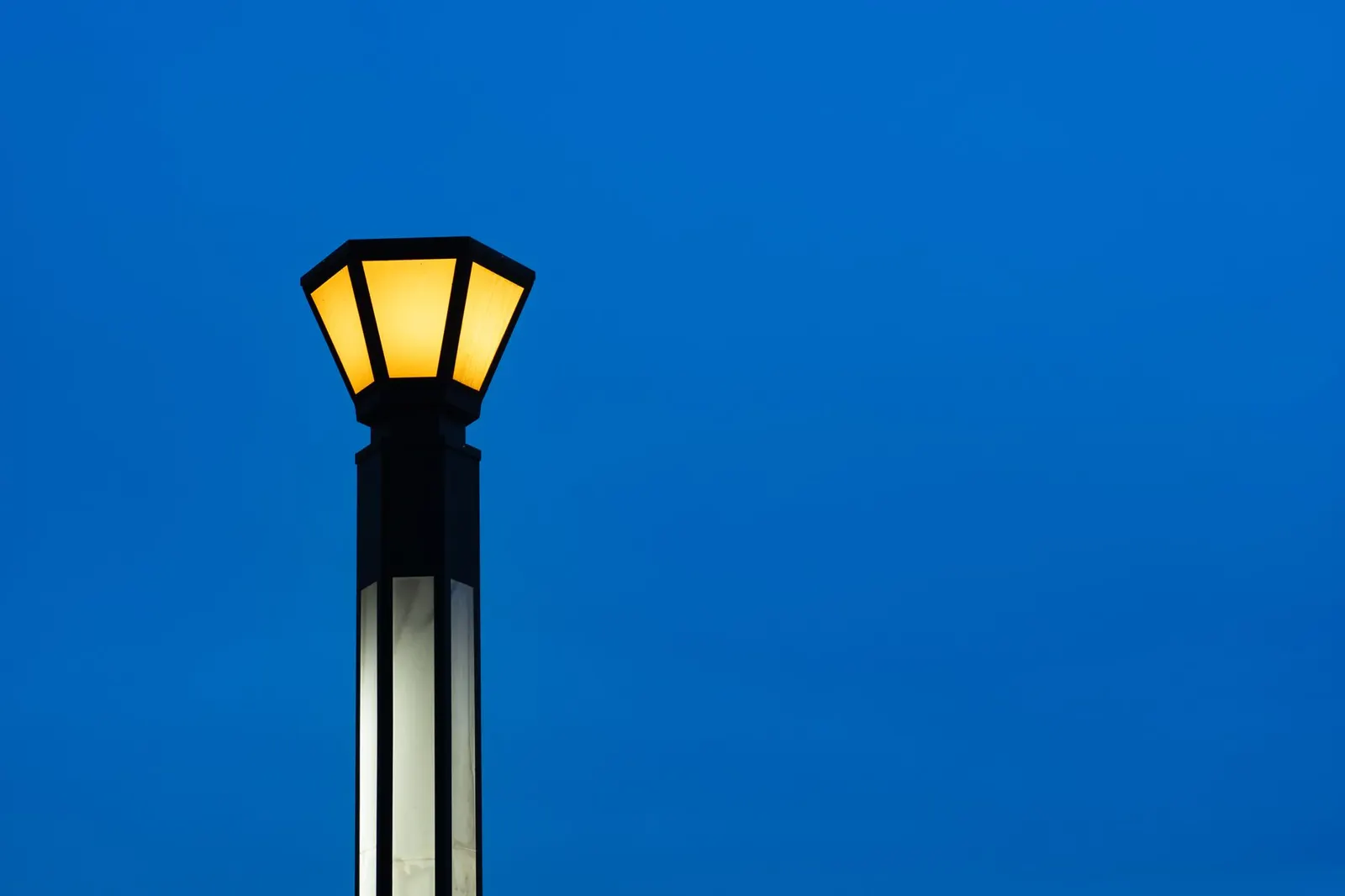
Garden lighting luminaires are critical components in landscaping projects that determine both visual comfort and night safety. For products exposed to outdoor conditions, the IP (Ingress Protection) rating—which indicates resistance to dust and moisture—along with glare-controlling optical angles and correct housing material selection, are essential. We break down the core engineering criteria step by step to help you create a durable lighting setup that fully complies with technical specifications in your projects.
Why Is the IP Protection Rating the Primary Criterion in Garden Lighting Luminaires?
In garden lighting luminaires, the IP (Ingress Protection) rating is the primary technical criterion during the project design phase because it directly determines the luminaire's physical resistance against solid objects like dust and liquids like water. In outdoor landscape applications, products are continuously exposed to precipitation, humidity, soil moisture, and high-pressure water from garden irrigation systems. Therefore, when the correct IP rating is not selected, water entering the luminaire leads to short circuits, LED module failures, and a rapid decline in the product's lifespan due to corrosion.
In the IP protection code, the first digit indicates the level of sealing against solid particles, while the second digit refers to protection against liquids. For standard usage areas in garden and landscape projects, the basic protection levels specified in technical specifications are as follows:
- General Landscape and Wall Luminaires: Luminaires offering a minimum protection level of IP65 against rain and water sprayed by irrigation sprinklers should be preferred. IP65 provides dust-tightness while demonstrating resistance against water jets coming from any direction.
- Ground-Level and Recessed Luminaires: Luminaires installed on or buried in soil or hard surfaces carry a high risk of standing water and temporary flooding. In these areas, using products with at least IP67 (protection against temporary submersion) or IP68 rating for areas remaining continuously underwater is an engineering necessity.
Field Tips and Common Mistakes for Correct IP Protection
For comprehensive protection in field applications, the ingress protection value of the luminaire head alone is not sufficient. The most common mistake in projects is a high IP-rated luminaire taking in water due to incorrect installation and connection components.
To ensure a long-lasting installation, you should include the following technical details in your checklists:
- Capillary Moisture Migration and Cable Glands: Cable entry glands and junction boxes connecting the electrical supply lines must also share the same IP rating as the luminaire. Otherwise, due to capillary action along the cable sheath, moisture reaches directly into the luminaire's terminal box and LED driver.
- Sub-Surface Drainage Layer: A drainage bed using gravel or crushed stone must be created beneath ground-recessed luminaires. In soils without proper water drainage, recessed luminaires remain submerged for extended periods, pushing the limits of IP67 protection.
- Gel-Filled Junction Boxes: For outdoor cable splices, resin or gel-filled IP68 connectors should be preferred instead of standard electrical tape.
- Thermal Operation and Condensation: Pressure differences generated inside the housing as the luminaire heats up and cools down can draw moist outside air inward. In high-quality outdoor luminaires, breathable valve (ventilation gland) technologies that prevent this risk should be checked.
To build long-lasting system architectures and verify technical data in your outdoor projects, you can examine the technical datasheets of products in the DIŞ AYDINLATMA category.
How Light Distribution and Optical Criteria Impact Garden Comfort
When outdoor garden luminaires are specified with precise beam angles and balanced light distribution, they deliver visual comfort that prevents eye fatigue, ensures safety, and highlights spatial depth. Uncontrolled light dispersion in landscape areas creates harsh contrasts between dark zones and over-illuminated surfaces, making navigation difficult.
Photometric Calculations and Uniformity
To achieve visual comfort along walkways, staircases, and open seating areas, a precise balance between lumens and lux must be established during the photometric planning phase. Lumens represent the total luminous flux emitted by the light source, whereas lux measures the actual illuminance falling on a target surface. A uniform lux distribution along pedestrian pathways prevents sudden shadows and blind spots during movement.
Glare Control and Beam Angles
In outdoor environments where the human eye adapts to darkness, direct exposure to a light source causes physiological discomfort. To prevent this issue, consider the following criteria:
- Glare Control: To minimize disturbing glare, opt for fixtures with deep-set reflectors, honeycomb louvers, or shielded housings that ensure a low UGR (Unified Glare Rating).
- Beam Angle Selection: Use narrow-beam reflectors to direct light toward the upper canopies of tall trees without unwanted spill; for low shrubbery or wide ground areas, select wide-beam optics to ensure uniform coverage.
- Vertical Accent Lighting: To define garden boundaries such as stone walls or architectural elements, consider focused illumination using /en/products/dis-cephe-aydinlatma-serisi products to establish a balance between horizontal and vertical lighting.
Another key parameter in perceiving natural surroundings is the CRI (Color Rendering Index) value. Specifying a CRI of 80 or higher ensures that foliage, flowers, and natural stone textures do not appear washed out or distorted at night, retaining their true color tones.
Common Field Errors and Application Tips
The most frequent mistake in landscape lighting is focusing solely on wattage while ignoring light distribution curves and aiming angles. For instance, aiming floodlights along walkways directly into the line of sight creates harsh glare at eye level and distorts ground perception. Similarly, unshielded in-ground uplights allow light to spill upward, contributing to light pollution.
To preserve optical efficiency, follow these verification steps:
- Light orientation control: Along pedestrian paths, ensure light falls at an angle onto the paving rather than directly into the user's eyes; use adjustable knuckle joints or asymmetric reflectors where necessary.
- Layered planning: Instead of illuminating the entire garden with uniform high-power fixtures, create depth by layering low-level step lights along pathways, adjustable ground spotlights at tree bases, and vertical wall washers on facades.
- Seasonal plant growth: Account for the growth of plant canopies over time by periodically reviewing and readjusting the focal points of narrow and wide-beam optics post-installation.
How to Evaluate Material Quality and Corrosion Resistance
In garden lighting luminaires, material quality and corrosion resistance are evaluated by examining the body alloy type, surface coating technology, corrosion resistance of fasteners, and the degree of protection against mechanical impacts. For products operating continuously in outdoor conditions, oxidation, paint peeling, and insulation losses become inevitable if the correct materials are not selected against environmental factors.
Body Material and Surface Protection
In outdoor projects, high temperature differences between day and night, dense humidity, and ultraviolet (UV) rays from the sun directly wear down the luminaire body. The most reliable structure for garden lighting luminaires against these conditions is a die-cast aluminum body. For die-cast aluminum bodies to gain resistance against corrosion, the surface must undergo chromating or similar chemical pre-treatments, followed by electrostatic powder coating and baking. This coating protects the body against peeling and color fading.
Corrosion and Fasteners
In coastal areas, locations exposed to sea salt spray, or industrial gardens subject to high sulfur and chemical humidity, standard coatings may fall short. In these types of areas:
- Special alloy die-cast aluminum suitable for the corrosion class should be preferred.
- All screws, washers, and nuts used in body assembly, glass frames, and ground fixing points must be made of stainless steel; contact between dissimilar metals increases the risk of corrosion.
- Silicone gaskets must retain their elasticity against UV rays and temperature fluctuations to prevent moisture from seeping into the body.
Mechanical Strength: IK Protection Class
Luminaires used in public parks, hotel gardens, and walkways face physical risks from lawn mowers, pedestrian traffic, and potential impacts. The IK protection class specifies the level of resistance against external mechanical impacts and certifies the durability of the body and the diffuser (glass or polycarbonate cover) that delivers the light output. In public landscape areas with a high risk of impact, it is recommended that luminaires placed at vulnerable points have passed mechanical testing.
When preparing technical specifications for your projects, you can use the parameters we have covered under the best LED luminaire brands as a checklist to determine general product quality and standard requirements.
Which Luminaire Types Should Be Selected for Garden and Outdoor Projects?
The selection of luminaire types in garden and outdoor projects should be determined based on the scale of the area, the intended use, light distribution requirements, and existing infrastructure conditions. To emphasize the architectural structure of the project and ensure safety within the space, different luminaire categories must be designed to work together.
The primary luminaire types frequently preferred in landscaping and outdoor projects include:
- Pole-Mounted Street and Road Luminaires: These provide high uniformity of light distribution in large areas, walkways, and main circulation lines where vehicle traffic is present. With wide-angle optical structures, [/urunler/direge-monte-sokak-armaturleri-serisi](pole-mounted street luminaire) models eliminate dark spots and meet large-scale lighting needs depending on the pole height.
- Bollards and Ground Luminaires: These facilitate wayfinding along landscape borders, walking paths, and building entrances. By remaining below eye level to prevent glare (uncomfortable brightness that hinders vision), these luminaires clearly define the architectural boundaries of the space.
- Solar Luminaires: In areas where grid infrastructure is unavailable, where laying electrical cables is costly, or in expansive open green spaces, [/urunler/solar-armaturleri-serisi](solar luminaires) offer an independent solution. They provide wireless ease of use by utilizing energy stored during the day throughout the night.
- Wall Appliques and Spotlights: These are adjustable luminaires with narrow or medium optical angles, used to highlight terraces, facade boundaries, and specific landscape elements such as trees, sculptures, or wall textures.
Checklist for Correct Luminaire Selection and Common Mistakes
To achieve long-lasting performance in field applications, the following concrete criteria should be observed:
- Ingress Protection (IP) Rating: For luminaires at ground level or in areas with potential water accumulation, at least an IP65 rating is required. For direct in-ground or recessed applications, an IP67 or IP68 sealing class (indicating protection against dust and varying levels of water immersion) should be preferred.
- Glare Control (UGR): Luminaires with exposed bulbs that shine directly at eye level on walkways cause glare. Products with directed optical lenses, concealed light sources, or honeycomb filters should be selected to maintain visual comfort.
- Body Material and Corrosion: To withstand humidity, lawn irrigation chemicals, and outdoor conditions, electrostatic powder-coated die-cast aluminum or stainless steel bodies should be used.
Common Mistakes and Practical Tips: The most common mistake is losing the sense of depth by using a single type of high-power light source throughout the entire garden. Instead, a layered lighting approach should be applied: low-level bollards for walkways, adjustable narrow-beam projectors for tree and object accents, and pole-mounted luminaires for general circulation should be configured in a balanced manner. Additionally, if resin-filled or gel-filled junction boxes are not used for cable connections buried directly in the soil, moisture will cause corrosion and short circuits over time.
When determining the luminaire type, not only the visual effect but also long-term operational criteria must be considered. In garden conditions, the corrosion resistance and ease of maintenance of the luminaires are of critical importance. Instead of replacing the entire luminaire in case of a potential failure, models with modular LED driver systems (the component that regulates power to the LEDs) that can be easily serviced or renewed on-site should be selected. Furthermore, compliance with certified outdoor lighting standards and the availability of spare parts should be verified during product selection.
What Steps Does a Professional Garden Lighting Checklist Include?
A professional garden lighting checklist comprises five fundamental technical steps, ranging from determining environmental resistance ratings to validating photometric calculations. To minimize risks in landscape and outdoor projects, you can follow these steps during the selection process:
- Determine Environmental Resistance Ratings: Analyze the project site's humidity, precipitation, wind load, and potential mechanical impact risks. Define the required IP (Ingress Protection) rating for water and solid object protection, alongside the IK code representing mechanical impact resistance, based on these conditions.
- Balance Light Levels and Color Temperature: Calculate the target lux (luminous flux per unit area) values across walkways, focal planting areas, and seating spaces. Select the appropriate Kelvin (light color temperature) value to achieve visual comfort while preserving the natural texture of plants and architectural elements.
- Verify Electrical Safety Criteria: Check the grounding and electrical insulation classes of luminaires to ensure life and property safety under outdoor conditions. Look for full compliance with safety requirements, such as Class I (fixtures connected to a protective earthing conductor) or Class II (double or reinforced insulation), which are detailed in technical specifications.
- Examine Technical Datasheets and Test Reports: Verify the PDF technical datasheets, accredited laboratory test results, and certification documents provided by the manufacturer for the garden lighting fixtures to be included in the project specifications.
- Finalize Photometric Calculations and Layout Plans: Test luminaire positioning using computer-aided lighting simulations to prevent glare risks and achieve uniform light distribution. For comprehensive projects, you can optimize your layout plans by coordinating directly with AVOLUX’s in-house goniophotometer laboratory and project design team.
To examine models that meet the technical requirements for outdoor specifications, you can browse the solutions in the DIŞ AYDINLATMA group. Selecting the right luminaire strengthens the night identity of the landscape, lowers maintenance costs, and ensures facility security. If you need assistance selecting the correct lighting for your project, feel free to contact the AVOLUX team.
If you would like help choosing the right lighting for your project, you can contact the AVOLUX team. Contact
Frequently Asked Questions
What should be the minimum IP protection class for garden lighting fixtures?
In outdoor projects, fixtures must be resistant to water, moisture, and solid objects. Generally, a minimum IP65 protection class is preferred in outdoor conditions, while this value should be increased in underground or high water-contact areas.
Which optical angles and light distributions should be preferred in landscaping and walkways?
It is important to direct the light towards the ground without causing glare in walkways and landscaping areas. Optics providing asymmetric light distribution prevent light spill into unwanted areas, offering a homogeneous field of view and comfortable lighting.
Which body materials should be chosen against corrosion and harsh weather conditions?
In outdoor projects, stainless steel, aluminum injection bodies, and appropriate electrostatic powder coating finishes increase corrosion resistance. Climate conditions such as humidity, salinity, and temperature differences of the project region must be considered during material selection.
Where are solar-powered fixtures used in professional garden projects?
Solar-powered systems can be considered as a complementary alternative in remote landscaping points where mains electricity is unavailable or cabling costs are high, along pedestrian paths, and for decorative accent lighting.
